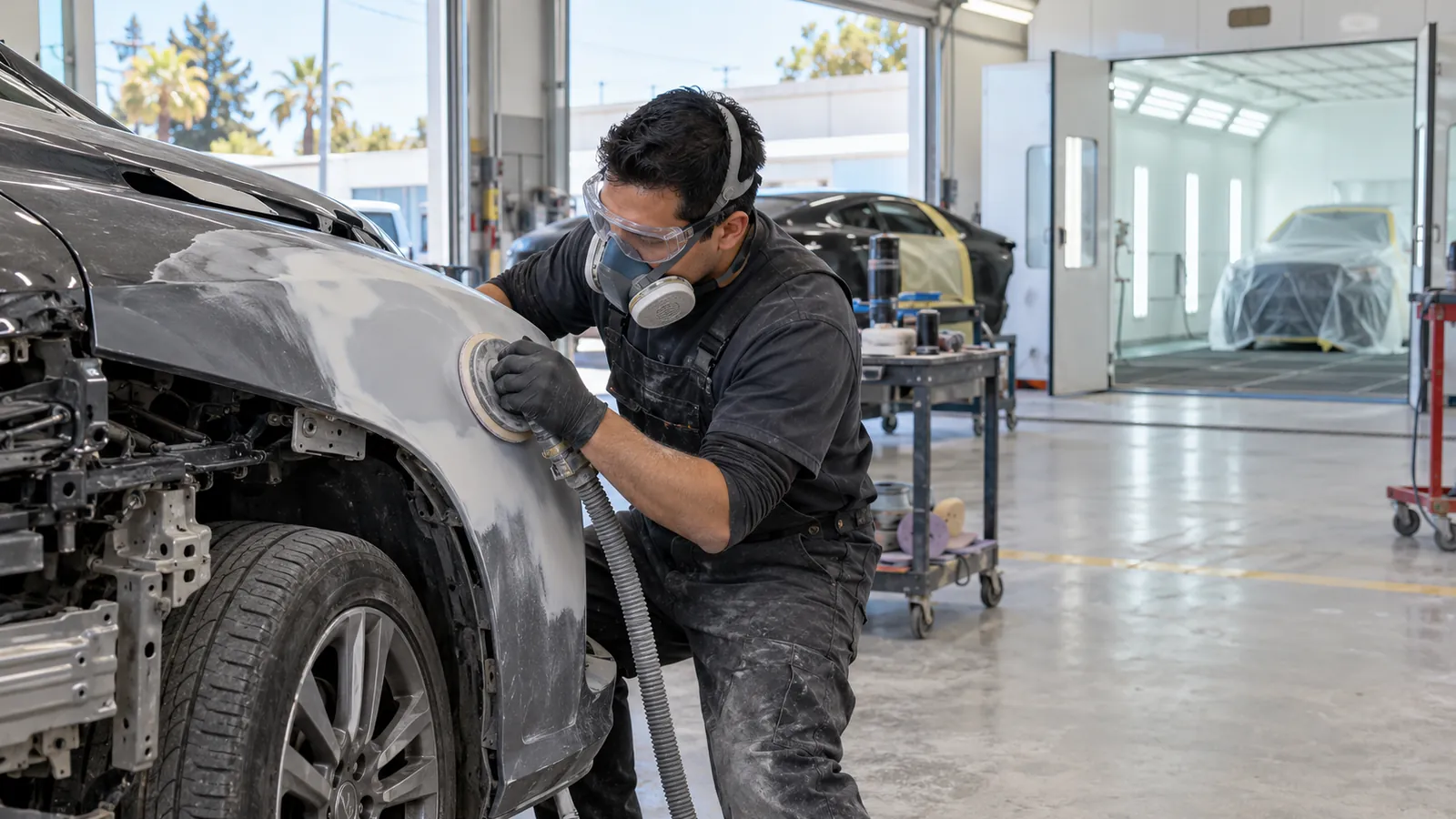
Who Usually Buys
- Multi shop groups
- Add a location and its technicians to a growing network.
- Technicians turned owners
- Use SBA financing and want a shop with insurer relationships in place.
- Investors
- Fund an operator who stays on for a transition period.
Insurer Programs and Referrals
Many shops get a large share of jobs through insurer programs. Buyers ask which programs you hold, how long you have been in them and whether a new owner keeps access.
If a handful of sources produce most of your work, treat that as concentration and expect a discount. Show how much work arrives from repeat customers and local referrals.
Technicians Are the Asset
Skilled painters and body techs are hard to hire. Buyers ask who stays, what each is paid and whether anyone has a signed agreement. Tell staff late in the process, close to closing, so a leak does not scare people off.
Equipment and Property
Frame machines, paint booths and mixing systems are costly. Expect questions about age, service history and compliance records. A buyer may also ask about environmental paperwork on the site, so gather permits and disposal records now.
Many shops operate in leased space. A fixed base rent and an assignment clause that the landlord cannot unreasonably block help a sale. See lease assignment.
Seasons and Cycles
Weather, traffic and insurance claim patterns move collision volume through the year. Give buyers monthly figures for at least three years so they can see the rhythm, and prepare a working capital forecast that shows the low months.
Cash Flow Buyers Underwrite
Shops owned by a working technician are priced on SDE. If you own the building too, the real estate is a separate asset with its own buyer or its own plan.
See how buyers pay, and when you want a range, request a valuation.